Scintillation Detectors for Gamma, Neutron, and Radiation Detection
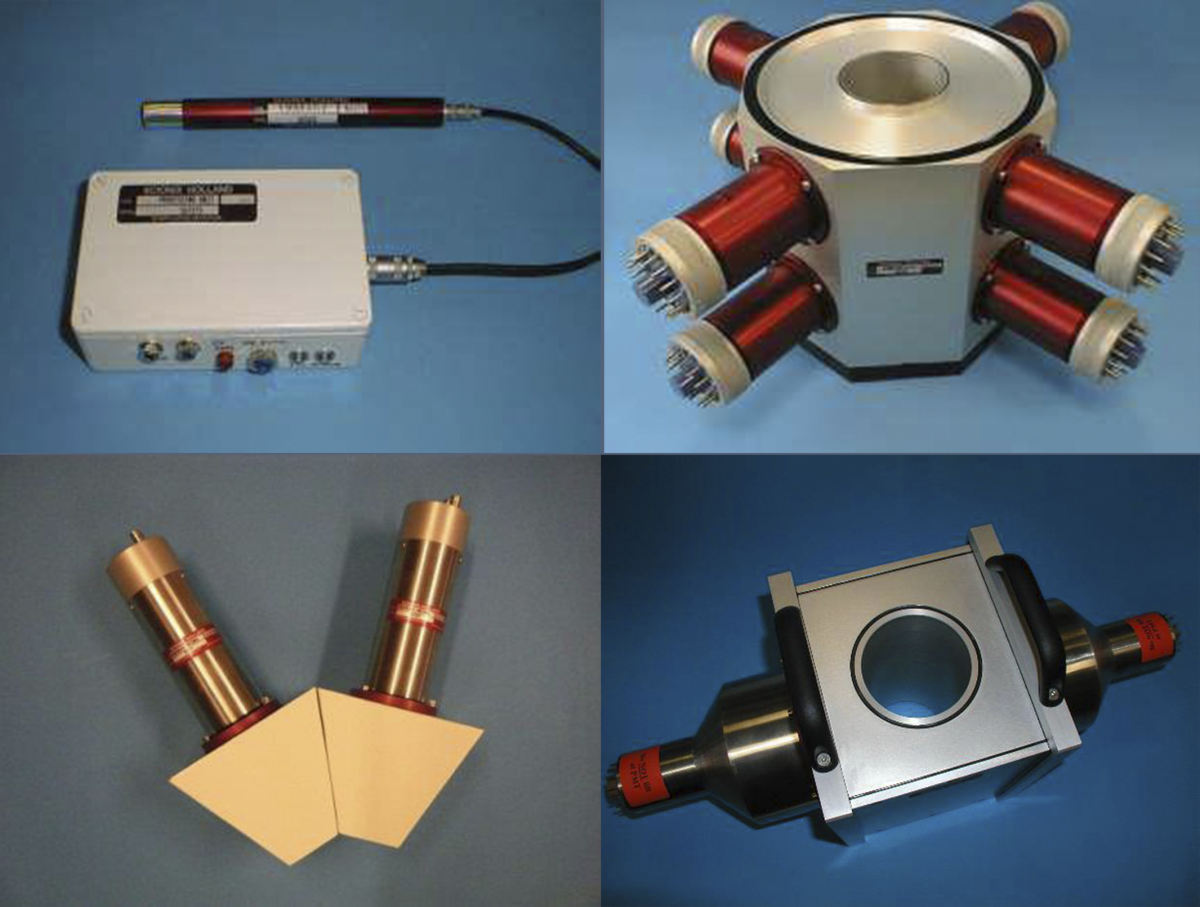
Berkeley Nucleonics provides a range of standard, specialized, and custom scintillation detectors built for demanding radiation counting and spectroscopy applications. Materials include plastic scintillators, liquid scintillators, and inorganic crystals such as NaI(Tl), CsI(Tl)/CsI(Na), BGO, LaBr₃, CeBr₃, GAGG(Ce), CLLBC, SrI₂(Eu), and others.
Detector Configurations
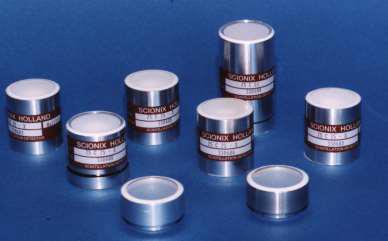
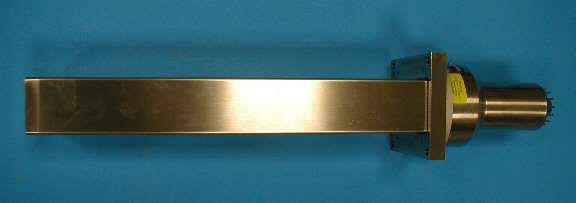
- Encapsulated crystals with entrance windows for direct radiation entry.
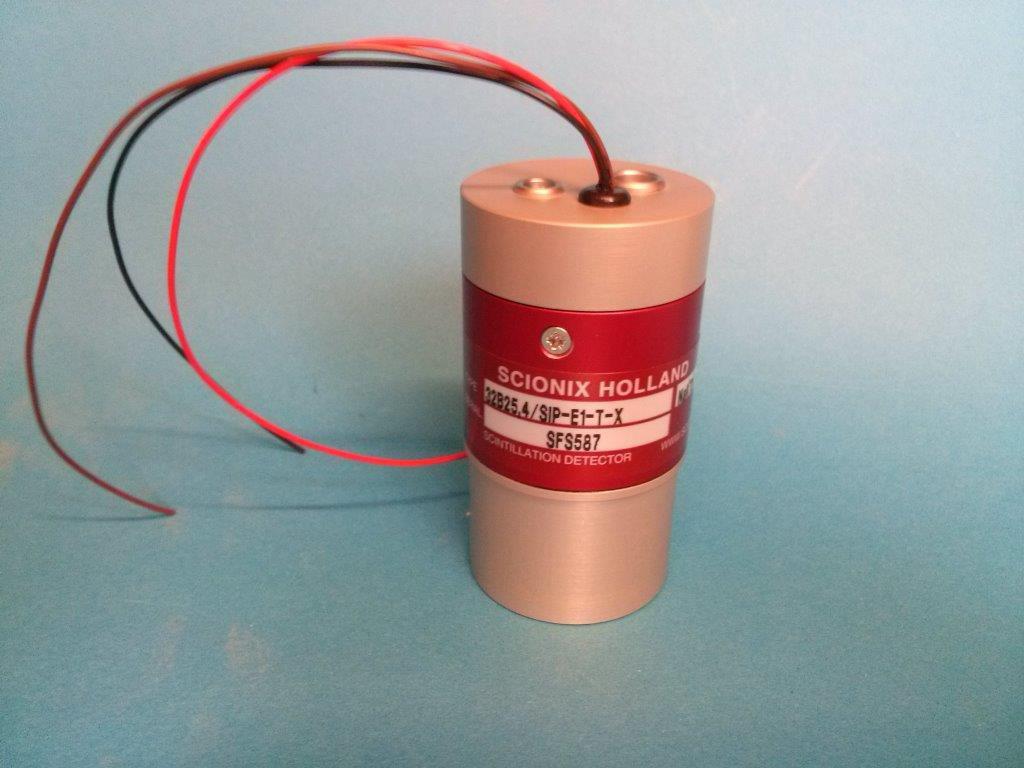
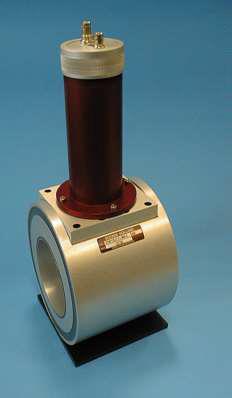
- Scintillators optically coupled to light readout devices (PMT, SiPM, or photodiode).
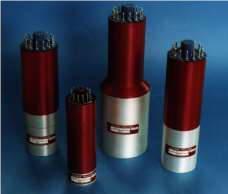
- Complete assemblies with integrated or plug-on electronics (preamplifiers, shaping amplifiers, HV bias).
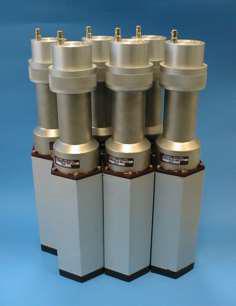
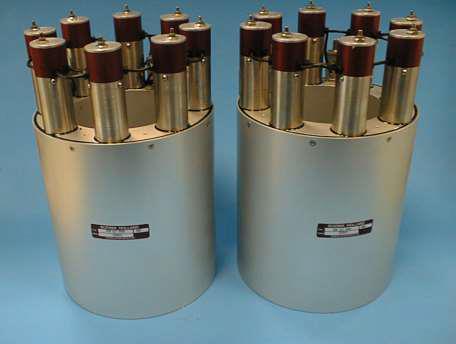
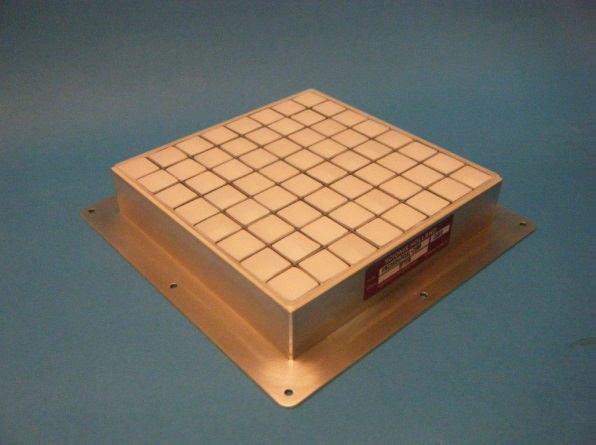
- Specialized designs: Compton suppression shields, pixelated arrays, well-type detectors, ruggedized/miniaturized units, and multi-crystal setups.
Digital signal processing options include compact plug-on or stand-alone multi-channel analyzers (MCAs) for energy spectroscopy and pulse shape discrimination.
Applications of Scintillation Detectors
- Medical Imaging & Diagnostics — SPECT, PET scanners, planar gamma imaging, CT, surgical probes, bone densitometry, radioimmunoassay, whole-body counters.
- Geophysical & Logging — Wireline logging, measurement-while-drilling (MWD), multiphase flow analysis, aerial gamma surveys.
- Security & Homeland Security — Nuclide identification, cargo/luggage scanning, radiation portal monitors, border security.
- Industrial Monitoring — Contamination control, non-destructive testing, nuclear gauging, thermal neutron activation analysis.
- Physics & Research — Gamma/neutron spectroscopy, high-energy physics calorimetry, astrophysics detectors.
We also evaluate repair and calibration requests for St. Gobain scintillation detectors and crystals on a case-by-case basis contact us directly for assessment.
CeBr3 Detectors: Cerium Bromide scintillation crystals are characterized by their high resolution fast decay time, and low intrinsic background properties. With a background count as low as <0.001 c/cc/s in the Ac-227 complex, CeBr3 presents a distinct advantage over other high-resolution scintillators which suffer from this intrinsic activity. Typical energy resolution for 662 keV is ~4% FWHM.
Srl2(Eu) Detectors: Europium doped Strontium Iodide scintillators feature very high light yields and excellent performance over a broad range of energies. Srl2(Eu) crystals are inherently free of intrinsic radioactivity resulting in a reduction of background activity and fewer false peaks. Typical energy resolution for 662 keV is < 4% FWHM.
BaF2 Detectors: Barium Fluoride scintillators feature ultra-fast sub ns UV emissions. BaF2 is used in physics fast timing research such as positron life studies.
LBC Detectors: Lanthanum BromoChloride scintillators are bright and feature an excellent energy resolution of 3% FWHM for 662 keV. This new material is comparable to LaBr3 and is ideal for high resolution gamma spectroscopy applications.
Sodium Iodide Detectors: NaI(Tl) scintillation crystals are widely used in most standard gamma spectroscopy applications due to their unmatched high light output and excellent match of their emission spectrum to the sensitivity of photomultiplier tubes.
Cesium Iodide Detectors (Tl) (Na) (undoped):
CsI(Tl) scintillators are rugged, non-hygroscopic, and do not cleave. These detectors are frequently used as an alternative to NaI(Tl) for a wide range of applications.
CsI(Na) is a non-hygroscopic, high light output scintillator mainly used for applications where mechanical stability and good energy resolution are required.
CsI(undoped) scintillators are fast, non-hygroscopic, and feature relatively low light output. A common use of undoped CsI is in physics calorimetry applications.
Plastic Detectors: Organic scintillators offer a comparatively cost effective alternative to inorganic crystals and can therefore be used in larger volumes. A large number of different organic scintillators are available for particle detection, neutron detection, Gamma / Neutron discrimination, and security or health physics applications.
GAGG(Ce) Detectors are scintillation crystals known for their exceptional properties in detecting gamma-ray radiation, offering high light yield and excellent energy resolution. Their advantages include superior stopping power for gamma rays, making them an ideal choice for applications in medical imaging, homeland security, and high-energy physics.
CLYC:Ce Detectors: Cs2LiYCl6:Ce (CLYC) scintillators combine the characteristics of medium resolution gamma ray detectors and 3He neutron detectors in one scintillation material. CLYC scintillators can therefore be used for both gamma and neutron detection.
YAP:Ce Detectors: YAP scintillators are fast, provide high light output, and low Z values. Applications include MHz rate X-ray spectroscopy and synchrotron physics.
CLLBC Detectors: A new material, Cesium Lanthanum Lithium BromoChloride crystals can perform both high resolution gamma spectroscopy with 3% FWHM energy resolution for 662 keV and simultaneous Neutron detection. The dual mode material can be used for both gamma spectroscopy and neutron detection using PSD.
CaF2(Eu) Detectors: Europium doped calcium fluoride is a low density scintillation crystal with a high light output. Thanks to its low Z value it is well suited for the detection of electrons (beta particles) with a high efficiency (low backscatter fraction). CaF2(Eu) is also used in phoswich scintillation detectors in combination with NaI(Tl).
LaBr3 Lanthanum Bromide: is a highly efficient scintillator material known for its exceptional energy resolution and rapid response time, making it widely used in radiation detection and medical imaging applications.
6Lil(Eu) Detectors: Used for thermal Neutron detection and spectroscopy, 6Lil(Eu) scintillators feature high neutron cross section and high light output.
CdWO4 Detectors: This material has a very high density, low afterglow, and is radiation hard. Common applications include low afterglow CT applications, DC measurements of X-rays (high intensity), photodiode readout, Computerized Tomography (CT).
LYSO Scintillators: LYSO crystals are fast, have high density and high Z value. Applications include PET, high energy physics.
PbWO4 Detectors: These fast, high density scintillators with low afterglow and slow decay times are primarily used in calorimetry physics research.
BGO Detectors: BGO has a high density of 7.13 g /cm3 and has a high Z value which makes these crystals very suited for the detection of natural radioactivity (U, Th, K), for high energy physics applications (high photo fraction) or in compact Compton suppression spectrometers.
Liquid Scintillators: Doped liquids such as EJ-301 and EJ-309 offer fast neutron / gamma discrimination properties allowing for their use in Pulse Shape Discrimination (PSD) applications.
|
Material |
Density (g/cm3) |
Emission Maximum (nm) |
Decay Constant (*) |
Refractive Index (**) |
Conversion Efficiency (***) |
Hygroscopic |
|
CeBr3 |
5.23 |
370 |
18 ns |
1.9 |
130 |
Yes |
|
Srl2(Eu) |
4.6 |
400 - 480 |
1 - 5 us |
1.81 |
30-40 |
Yes |
|
CLYC |
3.31 |
370 |
1 ns, 50 ns, 1000 ns |
1.81 |
TBA |
Yes |
|
NaI(Tl) |
3.67 |
415 |
0.23 us |
1.85 |
100 |
Yes |
|
CsI(Tl) |
4.51 |
550 |
0.6 / 3.4 us |
1.79 |
45 |
Slightly |
|
CsI(Na) |
4.51 |
420 |
0.63 us |
1.84 |
85 |
Slightly |
|
CsI(Undoped) |
4.51 |
315 |
16 ns |
1.95 |
4 - 6 |
No |
|
BGO |
7.13 |
480 |
0.3 us |
2.15 |
15 - 20 |
No |
|
YAP(Ce) |
5.55 |
350 |
27 ns |
1.94 |
35 - 40 |
No |
|
CaF2(Eu) |
3.18 |
435 |
0.84 us |
1.47 |
50 |
No |
|
LaCI3:Ce |
3.79 |
350 |
70 ns |
1.90 |
95 - 100 |
Yes |
|
6Li-Glass |
2.6 |
390 / 430 |
60 ns |
1.56 |
4 – 6 |
No |
|
6Li-(Eu) |
4.08 |
470 |
1.4 us |
1.96 |
35 |
Yes |
|
BaF2 |
4.88 |
315 / 220 |
0.63 us / 0.8 ns |
1.50 / 1.54 |
16 / 5 |
No |
|
LYSO:Ce |
7.20 |
420 |
50 ns |
1.82 |
70 - 80 |
No |
|
CdWO4 |
7.90 |
470 / 540 |
20/5 us |
2.3 |
25 - 30 |
No |
|
PbWO4 |
8.28 |
420 |
7 ns |
2.16 |
0.20 |
No |
|
Plastics |
1.023 |
375 - 600 |
ns range |
1.58 |
25 - 30 |
No |
| LaBr2.85Cl0.15:Ce (LBC) | 4.90 |
380 |
35 ns | 1.90 | 140 | Yes |
|
LaBr3 |
5.08 | 380 | 21 ns | 1.89 | 140 | Yes |
|
Cs2LiLaBr4.8Cl1.2:Ce (CLLBC) |
4.08 | 420 | 120 ns, 500 ns | 1.90 | TBA | Yes |
|
GAGG(Ce) |
6.63 | 520 | 76 ns | 1.96 | TBA | No |
* Effective average decay time for Gamma-rays
**At the wavelength of the emission maximum.
***Relative scintillation signal at room temperature for Gamma-rays when coupled to a Bi-Alkali photocathode PMT.
Free Online Training Module – An Introduction to Scintillation Crystals and Detectors
Visit our Training page to access the module or for more information
Press Room – Custom-Built Scintillation Detectors For Every Application
Press Room – Scintillator | What Are Scintillator Materials?
Press Room – From Crystal Growth To Assembly: The Manufacturing Process Of Custom Nal Scintillation Crystals
Press Room – Exploring The Applications And Key Features Of GAGG(CE) Scintillator Material
Press Room – Scintillation Crystals For PET: What You Need To Know
Press Room – Gamma Spectroscopy: The Role Of Photomultiplier Tubes And Scintillator Detectors In Detecting Radioactive Emissions
Press Room – The History Of Gamma-Ray Spectroscopy For Isotope Identification, Jim McQuaid
Press Room – Neutron Detectors and Their Performance
Press Room – Why Afterglow is Important in Scintillation
Downloadable resources such as datasheets, firmware, software, drivers and products manuals. Alternatively, you can browse resources directly by visiting our downloads page.
Playlist
4:28
53:43
46:53

53:48
42:44

47:51
Price lists are available to our registered users. To view pricing for this and other products, please log in or create a free account.
- Density and atomic number (Z)
- Light output (wavelength + intensity)
- Decay time (duration of the scintillation light pulse)
- Mechanical and optical properties
- Cost
See this article for details – https://www.berkeleynucleonics.com/july-27th-2022-cerium-bromide-and-sodium-iodide-detectors
There is a great variety of choices to consider. Selecting the right material, geometry, readout and electronics are only a start. See https://www.berkeleynucleonics.com/february-11th-2022-customizing-your-scintillation-detector for further reading.
A scintillator is a material that exhibits scintillation, which refers to the emission of light when the material interacts with ionizing radiation. Scintillators are widely used in various fields, including radiation detection, medical imaging, and high-energy physics. Different types of scintillators exist, and some common examples include NaI (sodium iodide), LaBr (lanthanum bromide), CeBr (cerium bromide), and CsI (cesium iodide). These scintillators have distinct properties and are utilized in specific applications. Each of these scintillators has its advantages and suitability for specific applications, depending on factors such as energy resolution, light output, decay time, and cost. Researchers and engineers select the most appropriate scintillator based on the requirements of their particular application.
To detect fast changes in transmitted intensity of X-Ray beams, such as in CT scanners or luggage X-ray detectors, crystals are required exhibiting low afterglow. Afterglow is defined as the fraction of scintillation light still present for a certain time after the X-Ray excitation stops. Afterglow originates within a millisecond and can last hours in long decay time components. Afterglow in most halide scintillation crystals can be as high as a 5-10 percent after 3 ms. The long duration afterglow in e.g. CsI(Tl) can be a problem for many applications. Afterglow in halides is believed to be intrinsic and correlated to certain lattice defects. BGO, CeBr3, and Cadmium Tungstate (CdWO4) crystals are examples of low afterglow scintillation materials.
Radiation damage is defined as the change in scintillation characteristics caused by prolonged exposure to intense radiation. This damage manifests itself by a decrease of the optical transmission of a crystal which causes a decrease in pulse height and deterioration of the energy resolution of the detector. Radiation damage other than radio-activation is usually partially reversible; i.e. the absorption bands often disappear slowly in time; some damage can be annealed thermally.
In general, doped alkali halide scintillators such as NaI(Tl) and CsI(Tl) are rather susceptible to radiation damage. All known scintillation materials show more or less damage when exposing them to large radiation doses. The effects usually can only be observed clearly with thick (> 5 cm) crystals. A material is usually called radiation hard if no measurable effects occur at a dose of 10.000 Gray. Examples of radiation hard materials are CeBr3 and YAP:Ce.
Scintillation light pulses (flashes) are usually characterized by a fast increase of the intensity in time (pulse rise time) followed by an exponential decrease. The decay time of a scintillator is defined by the time after which the intensity of the light pulse has returned to 1/e of its maximum value. Most scintillators are characterized by more than one decay time and usually, the effective average decay time is mentioned. The decay time is of importance for fast counting and/or timing applications.
To detect y-rays efficiently, a material with a high density and high effective Z (number of protons per atom) is required. Inorganic scintillation crystals meet the requirements of stopping power and optical transparency. Their densities ranging from roughly 3 to 9 g/cm3 makes them very suitable to absorb penetrating radiation (γ-rays). Materials with high Z-values are used for γ-ray spectroscopy at high energies (> 1 MeV).
Because photoelectron statistics (or electron-hole pair statistics) play a key role in the accurate determination of the energy of the radiation, the use of scintillation materials with a high light output is preferred for all spectroscopic applications. The scintillator emission wavelength should be matched to the sensitivity of the light detection device that is used (PM, SiPm or photodiode).
Neutrons do not produce ionization directly in scintillation crystals but can be detected through their interaction with the nuclei of a suitable element. In a 6LiI(Eu) scintillation crystal, for example, neutrons interact with 6Li nuclei to produce an alpha particle and a triton (tritium nucleus), which both produce scintillation light that can be detected. Another Li-containing scintillator is CLYC.
Also enriched 6Li containing glass can be used, doped with Ce as an activator. Alternatively, Boron or Gadolinium containing inorganic scintillators can be used but these scintillators are not common. One alternative technique is to construct a large area thermal neutron detector using 6LiF/ZnS(Ag)screens. These can then be read out via green wavelength shifters by PMTs or SiPMs.
Each scintillation material has a characteristic emission spectrum, with wavelength and intensity. The shape of this emission spectrum is sometimes dependent on the type of excitation (photons/particles).

Emission spectra of NaI(Tl), CsI(Tl) and CeBr3, scaled on maximum emission intensity.
Also a typical quantum efficiency curve of a bialkali photocathode and a Silicon Photomultiplier (SiPm) are shown above.
This emission spectrum is of importance when choosing the optimum readout device (PMT / photodiode/SiPm) and the required window material. The graph above shows the emission spectrum of some common scintillation materials.